
No. 517 | April 17, 2026
Weekly Report 517
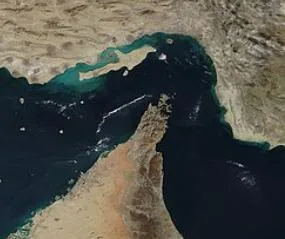
With the 10-day ceasefire agreement between Israel and Lebanon, the weekly average price of Brent crude oil decreased for the second consecutive week, falling by $5.2 to $95.8 per barrel. Following this news and with the announcement by Iran's Foreign Minister, Zarif, it was decided that the Strait of Hormuz would remain open until the end of the ceasefire between Iran and the United States (April 21); however, given the ongoing maritime blockade of Iranian-related vessels by the U.S., this may not be realized. This week, the upward trend in U.S. commercial oil inventories over the past 7 weeks (which had brought inventory levels to the highest in 3 years) was halted by a decrease of 910,000 barrels, which, along with uncertainty regarding the situation in the Middle East, prevented further price declines. It is worth noting that these price changes occur in the futures market for crude oil, and perhaps what is truly significant and should be considered are the price levels of physical oil, which remain significantly high, and the published news has not changed the reality of oil shortages in the market. Nevertheless, it is expected that the most important factor influencing oil prices in the coming week will be news from potential negotiations between Iran and the U.S., negotiations that will determine the short-term fate of the Strait of Hormuz. Although it is likely that regardless of the outcome, the physical price of oil will maintain its high levels in the short term.