
No. 514 | March 27, 2026
Weekly Report 514
This week, the average weekly price of Brent crude oil experienced limited fluctuations, decreasing by only $0.9 to reach $105.5/barrel. The United States' claim of attempting to resolve issues with Iran through diplomacy and presenting a 15-point agreement helped ease market tensions; however, Iran's rejection of this proposal and its emphasis on its right to legitimate defense renewed concerns about the lack of a short-term resolution to the war in the markets. Nevertheless, this week, Iran allowed the passage of ships from non-hostile countries, which increased traffic in the Strait of Hormuz, and alongside the resumption of activities at the Fujairah port, sent positive signals to the market and prevented an increase in oil prices. The aforementioned factors had a greater impact on Dubai oil, with the average weekly price of this benchmark dropping by $17.5 to $141/barrel. Despite Trump's announcement of extending the deadline for not attacking Iran's energy infrastructure until April 6, Israel's attack on Mobarakeh Steel in Isfahan and Khuzestan Steel has raised fears of attacks on civilian facilities. The parties' shift towards civilian targets could broaden the scope of the war and exacerbate disruptions in regional refining activities and oil exports. Additionally, with Yemen entering the Middle Eastern war, traffic in the Bab-el-Mandeb route has also come under scrutiny, where a worsening logistical crisis could make conditions more difficult for the markets. Currently, it is expected that the oil market will continue to maintain its volatile conditions under the shadow of the Middle Eastern war, with price levels primarily being supportive. It is clear that any unexpected peace and the opening of traffic in the Strait of Hormuz could significantly reduce the support stemming from war risks, which, however, is assessed to be unlikely in the short term.
Despite the drop in oil prices, the weekly average price of naphtha on a FOB Persian Gulf basis increased by $12 to $1,018/ton, while the naphtha crack spread saw a significant rise of $19 to negative $28/barrel. The naphtha market has experienced substantial growth supported by developments in the Middle East, and disruptions in traffic through the Strait of Hormuz have posed challenges for the supply of feedstock to Asian crackers. In this context, the temporary lifting of sanctions on Russia had led buyers to turn to Russian naphtha, but in the past week, with Ukraine's attack on Novatek's gas facilities in Ust-Luga, the possibility of securing naphtha from Russia has also become uncertain. It is worth noting that more than half of the naphtha sent from Russia to Asian markets is through Novatek, which could disrupt naphtha supply from Russia. On the demand side, the ethylene-naphtha crack spread has risen by $108 to $324/ton, which is above the breakeven point for crackers; however, since this increase is mainly due to rising ethylene prices caused by feedstock shortages and reduced operating rates of units, it cannot strengthen demand, especially since the current desirability of liquefied petroleum gas feedstock is higher. The naphtha market is expected to remain largely influenced by upstream developments and existing supply-side issues, maintaining its support.
The weekly average price of MTBE, the FOB Singapore index, recorded a decline of $59 following the drop in gasoline prices, reaching $995.5/ton. The Middle East conflict has caused gasoline and oil prices to be supported upstream, leading to an increase in MTBE price levels as well. However, MTBE is still below its highest level in the last 5 years, and the MTBE Factor has significantly fallen. Despite the price drop in Singapore, prices within China have risen, and fewer shipments have been offered for delivery to Singapore. The main reason for price support in China can be attributed to the rising cost of butane feedstock and the reduced operating rates of production units. Given the continuation of the Middle East conflict and the lack of a clear outlook for its resolution, the MTBE market is likely to remain supported in the short term amid upstream supports, reduced production rates, and demand from Mexico and Chile (due to force majeure conditions at LyondellBasell in the United States caused by pipeline fires); however, the MTBA Factor is expected to maintain its weak levels.
The weekly average price of PX FOB South Korea decreased by $11 to $1,226/ton. The shipment of gasoline from the West to the East of Suez has alleviated some concerns arising from weak gasoline supply, leading to reduced competition for MX in the blending sector. However, the decrease in activity rates due to delays in naphtha feedstock supply has resulted in supply constraints in the PX market. Recently, Formosa of Taiwan declared force majeure due to the inability to secure feedstock. This will affect about 50% of production. The rapid rise in upstream feedstock prices has reduced the profit margins of production units, with the paraxylene-naphtha spread averaging $143/ton lower than the breakeven point of $300-280/ton. High feedstock prices and favorable PTA inventory have decreased buyers' interest in this sector, and cheaper domestic PX has reduced the inclination for imports from China.
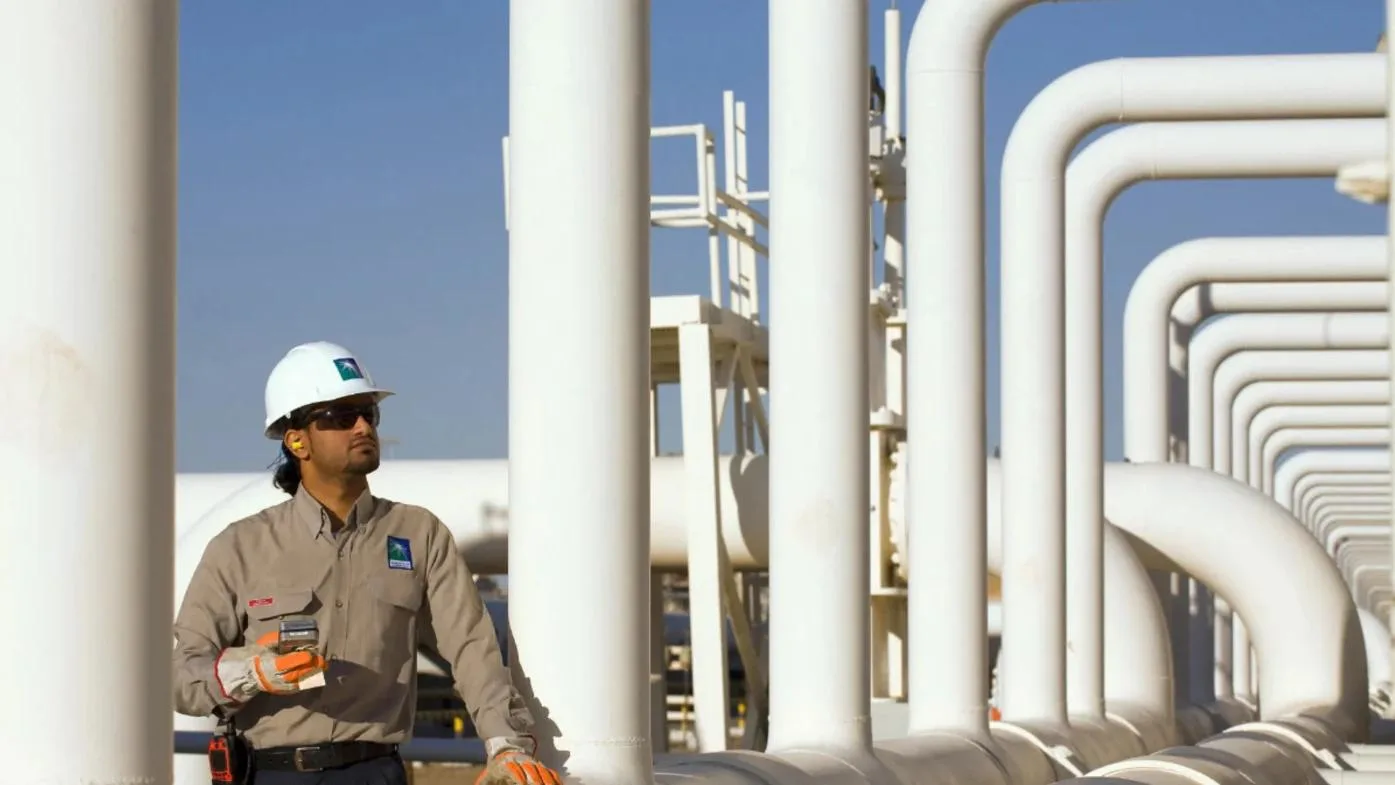
Saudi Arabia, alongside the United Arab Emirates, has taken hostile positions against Tehran and, according to Trump, is one of the main financial backers of the United States in this extensive battle. In addition to providing its military bases and airports to the American-Zionist front, it is the second Arab country after Qatar that is attempting to counter Iran's drone attacks in relation to Ukraine. This country is always striving to officially export oil from the port of Yanbu, considering the closure of the Strait of Hormuz. According to data, oil exports from this port have significantly increased in March, rising from about 800,000 barrels per day to approximately 3.94 million barrels per day. The Yanbu port is connected to the oil fields in eastern Saudi Arabia via a pipeline approximately 1,200 kilometers long, allowing the country to send part of its oil exports to global markets without passing through the Strait of Hormuz. Reports also indicate that Saudi Arabia intends to increase the export capacity from this route to about 5 million barrels per day in the future to have more options for energy exports. It should be noted that, given the ongoing war and increasing pressures on Tehran, in addition to Hezbollah in Lebanon, the Ansar Allah front in Yemen has also officially entered the war and has introduced this pipeline as one of its future targets, in addition to the promise to close the Strait of Hormuz.